Your Comprehensive Thrash 2026 Parents Guide: Navigating Intense Horror and Psychological Depth
Anticipation is building for *Thrash 2026*, a film poised to redefine the survival horror genre. Slated for a global premiere on Netflix on April 10, 2026, this movie, helmed by the acclaimed Tommy Wirkola, promises an experience that is anything but lighthearted. For parents, understanding the intricate layers of its content is crucial, which is precisely why this comprehensive
Thrash 2026 Parents Guide has been created. Based on early reviews and detailed content analysis, *Thrash* is not just a horror film; it's a brutal, relentless journey into terror that demands a serious conversation about its suitability for younger or sensitive audiences.
As expert reviewers noted, the gap between a horror trailer and the final film's impact can be vast. *Thrash 2026* delivers an uncompromising experience that fully earns its R rating, and then some. It delves into graphic violence, profound psychological distress, and sustained dread, making it a film that requires careful consideration before allowing your teen to watch. This guide will walk you through the specifics, helping you make an informed decision for your family. For more background on the initial buzz and production, don't miss our
Thrash 2026 Parents Guide - Article 1.
Understanding the Dual Nature of Thrash 2026's Horror
*Thrash 2026* is a survival horror thriller that expertly weaves together multiple terrifying elements, making it a uniquely challenging watch. At its core, the film presents a horrifying blend of natural disaster and creature horror, a signature style for director Tommy Wirkola, known for his intense action and horror films.
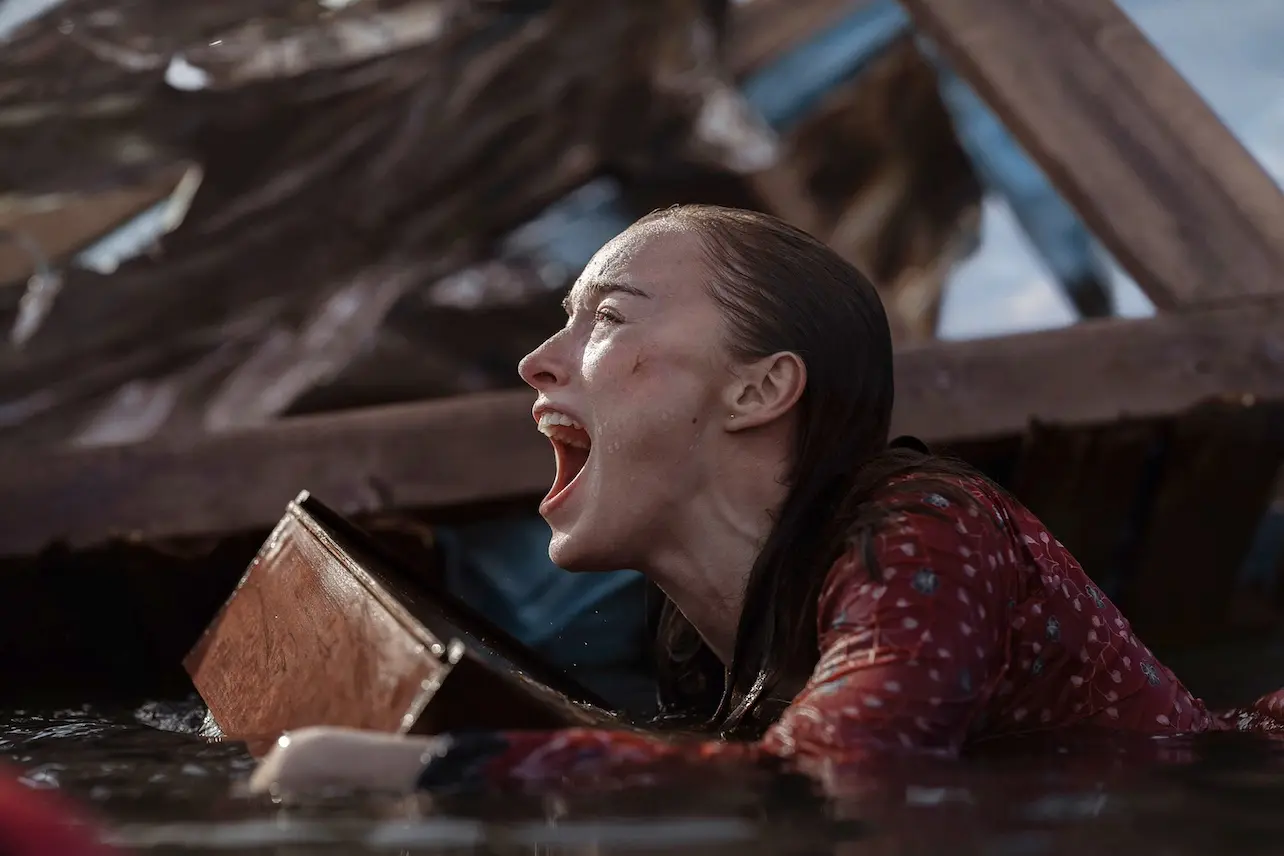
The narrative kicks off in a seemingly quiet coastal town, abruptly shattered by the onslaught of a devastating Category 5 hurricane. As the storm rages, destroying buildings and flooding streets, the initial terror of natural catastrophe quickly gives way to something far more sinister. The rising floodwaters bring with them hungry sharks, transforming a struggle against nature into a deadly fight for survival against apex predators. This "disaster-driven shark thriller" aspect, starring talents like Phoebe Dynevor, Djimon Hounsou, and Whitney Peak, promises visceral creature-feature thrills.
However, *Thrash 2026* doesn't stop there. Beyond the immediate physical threats, the film descends into a deeply disturbing realm of psychological horror. The narrative follows a group of young adults who find themselves hunted not just by external monsters, but by the insidious erosion of trust within their own ranks. The horror becomes less about what attacks them physically and more about the terror of not knowing who around you is safe, pushing characters to the brink of losing their grip on reality. Themes of betrayal, isolation, paranoia, and psychological manipulation permeate the entire film, often proving more unsettling than the explicit gore. This dual approach means parents aren't just vetting for jump scares and violence, but also for a pervasive sense of dread and mind-bending psychological distress.
A Deep Dive into the Thrash 2026 Age Rating: What R Really Means Here
The official R rating for *Thrash 2026* is not merely a formality; it's a stark warning. Expert reviewers suggest it sits at the harder end of the R spectrum, bordering on NC-17 territory, primarily driven by its uncompromising content. Here's a detailed breakdown of what that rating signifies for families:
- Strong Graphic Violence (Severe Level): This is perhaps the most prominent feature. The film contains severe violence, including graphic bodily harm, prolonged attack sequences, and at least two scenes of visceral, on-screen gore. This isn't just implied violence; it's explicit and designed to be impactful and disturbing. Parents should expect scenes that are genuinely difficult to watch, extending beyond typical creature-feature quick cuts.
- Disturbing Content & Psychological Terror (Extreme Level): This element is what often surprises parents most, as it's described as even more disturbing than the gore. *Thrash 2026* creates sustained dread, weaving jump scares with deep psychological horror. The imagery is crafted to linger, and the focus on characters losing their grip on reality, facing betrayal, and profound isolation can be genuinely distressing for adult viewers, let alone teenagers.
- Language (Heavy Level): Expect frequent use of strong expletives, including f-words and s-words. There is also one instance of a slur used in a confrontational context, which could be particularly upsetting for some viewers.
- Brief Drug and Alcohol Use: Characters engage in substance use in at least two scenes. While the film doesn't glamorize these actions, nor does it explicitly frame them with consequences, their presence is noted. Parents concerned about depictions of substance use should be aware.
- Frightening Content (Extreme Level): Beyond the psychological manipulation, the film employs various tactics to instill fear. This includes not just traditional jump scares, but also imagery and narrative choices designed to create a pervasive sense of fear and unease that sticks with the viewer long after the credits roll.
- Photosensitivity Risk: A critical detail for those with sensitivities, *Thrash 2026* features at least three sequences with rapid strobe-style lighting effects. Individuals prone to photosensitive reactions should exercise extreme caution or avoid the film.
This detailed breakdown underscores that *Thrash 2026* is not just "scary" in the traditional sense, but deeply unsettling on multiple levels, pushing boundaries rarely seen outside of the most extreme horror subgenres.
Beyond the Gore: Psychological Impact and Lingering Dread
While the graphic violence and creature attacks will undoubtedly garner attention, it's the psychological manipulation sequences and the pervading sense of dread in *Thrash 2026* that are truly highlighted as the film's most potent and potentially harmful aspects for younger audiences. The reviewer explicitly states these are "more disturbing than the gore and feel designed to get under your skin for days."
The film meticulously crafts an environment where the "monster is only half the problem." The other, arguably more insidious half, involves watching characters succumb to paranoia, losing their sense of self and trust in others. Themes like the erosion of trust, profound isolation, and betrayal are not just plot devices; they are emotional anchors designed to elicit genuine grief and despair within the survival sequences. This emotional weight, combined with the visceral horror, can create a powerful and lasting psychological impact.
For developing minds, or even sensitive adult viewers, confronting these themes in such a brutal and relentless manner can be genuinely upsetting. The feeling of "losing grip on reality" depicted on screen can be disorienting and anxiety-inducing. Parents should consider that the film aims to "linger" in the viewer's mind, meaning the disturbing content isn't easily shaken off.
Practical Tip for Parents: If your teen does watch *Thrash 2026*, be prepared for a post-viewing discussion. Ask them how they felt, what disturbed them most, and if any elements are still bothering them. Encourage them to articulate their thoughts and feelings, and reassure them that the film's events are fictional. This open dialogue can help process intense content and prevent lingering anxieties.
Making an Informed Decision: Is Thrash 2026 Right for Your Teen?
With all the details laid bare, the decision rests with you, the parent. *Thrash 2026* is unequivocally not a film for younger audiences, and even for teens, it comes with a strong recommendation for those "17 and up," with the added caveat to "know your audience." Before the Netflix premiere on April 10, 2026, consider these crucial questions:
- What is your teen's prior experience with R-rated horror? Have they watched similar films with graphic violence or intense psychological themes? How did they react?
- How do they handle psychological thrillers versus purely jump-scare driven horror? *Thrash* leans heavily into sustained dread and mind games, which can be more unsettling than sudden scares.
- Are they sensitive to themes of betrayal, isolation, and loss of control? These are central to *Thrash* and can be emotionally taxing.
- How do they react to explicit gore and prolonged scenes of bodily harm? The film is clear about its "severe" violence level.
- Do they have any photosensitivities? The strobe lighting sequences pose a real risk for some viewers.
- Have you watched it first? The most proactive step is for parents to screen the film themselves before allowing their teens to watch, giving you firsthand knowledge of its intensity.
Given the film's intense nature, another strategy could be to watch it *with* your older teen, allowing for immediate discussion and reassurance during or after difficult scenes. Ultimately, *Thrash 2026* is a commitment to a deeply unsettling experience. For further insights into specific scene breakdowns and viewer discretion advice, you might find valuable information in
Thrash 2026 Parents Guide - Article 3.
In conclusion, *Thrash 2026* is shaping up to be a landmark horror film, but one that demands significant parental vigilance. Its unique blend of creature-feature terror, natural disaster, and profound psychological horror makes it a challenging watch that will linger long after the credits roll. By understanding its R-rating specifics, the expert recommendations, and the dual nature of its scares, you can make the most informed decision to protect and guide your family's viewing experience.