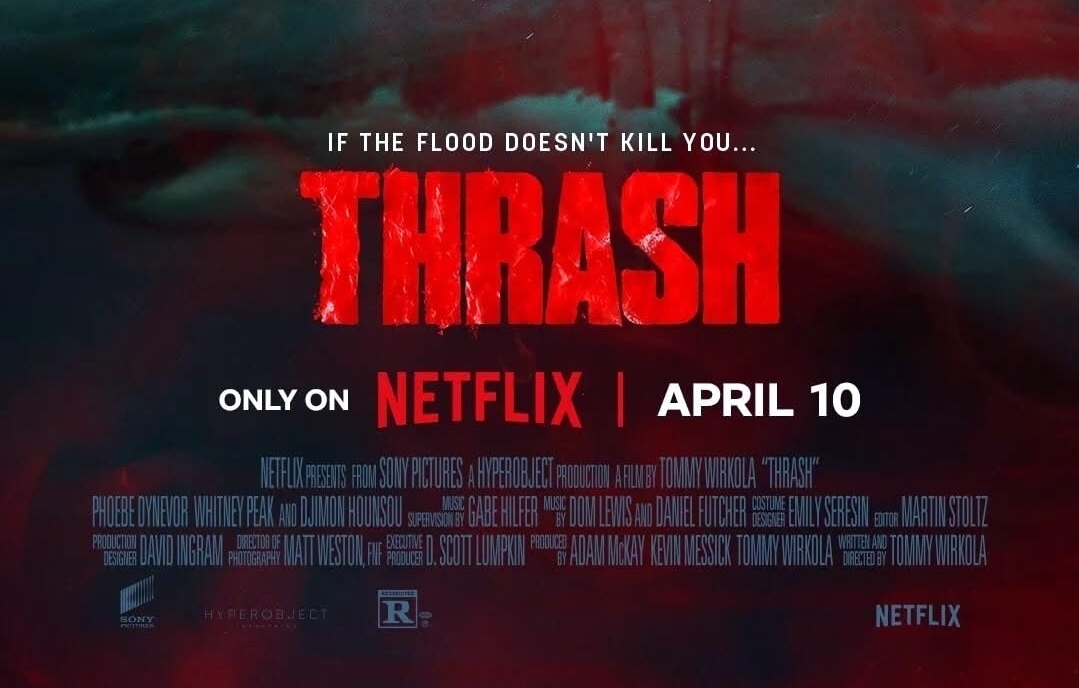
Welcome to our comprehensive Thrash 2026 Parents Guide, your definitive resource for understanding the intense new horror film set to premiere globally on Netflix in April 2026. Parents navigating the ever-evolving landscape of modern cinema know that trailers can often be deceptive, especially in the horror genre. What appears on screen can be vastly different from the sanitized glimpses offered in promotional materials. Based on early reviews and detailed content analysis, Thrash 2026 is far from a casual viewing experience, particularly for younger or sensitive audiences. This article will break down exactly why this film earns its hard R rating and what parents need to know before considering it for their teens.
Directed and written by Tommy Wirkola, a filmmaker known for his prowess in creating intense action and horror films, Thrash 2026 has generated significant buzz. While initial reports and some production details hinted at a disaster-driven creature feature, blending natural catastrophe with creature horror, featuring a quiet coastal town hit by a Category 5 hurricane and subsequently inundated by hungry sharks, the actual content review indicates a more complex, deeply unsettling psychological horror at its core. This guide will focus on the visceral and psychological elements that define the movie's extreme nature, providing crucial insights for families.
Navigating Thrash 2026: An Essential Parents Guide
From the outset, it's clear that Thrash 2026 is not designed for children or even many younger teenagers. A reviewer, approaching the film with a critical eye, quickly concluded that this production is "not for younger audiences. Not even close." The film's R rating is not merely a formality; it's a direct reflection of its brutal, relentless nature, which pushes boundaries well beyond typical horror fare. For parents researching this film, understanding the nuances of the Thrash 2026 Parents Guide is crucial to making an informed decision about suitability.
The severity of its content means that even seasoned horror fans under the age of 17 might find certain sequences genuinely distressing. It delves into realms of graphic violence, sustained psychological terror, and disturbing imagery that are designed to linger long after the credits roll. This isn't just about jump scares; it's about a pervasive sense of dread and emotional manipulation that can be profoundly unsettling. For further insights into specific scenes and thematic elements, you might find Thrash 2026 Parents Guide - Article 2 helpful.
Unpacking Thrash 2026's Plot and Core Themes
Without venturing into spoiler territory, Thrash 2026 plunges a group of young adults into a nightmarish scenario where their environment, initially familiar, quickly turns alien and hostile. While early information mentioned a specific plot involving a hurricane and sharks, the primary terror, as described by those who have seen it, transcends a simple physical threat. The film masterfully explores the erosion of trust, the chilling uncertainty of discerning friend from foe, and the terrifying prospect of losing one's grip on reality.
Emotionally, the film maintains a relentless atmosphere of paranoia and dread. It's not solely about survival against an external monster; it’s equally about the internal struggle. Themes of betrayal, profound isolation, and insidious psychological manipulation are woven throughout the narrative, not just confined to isolated "scary" set pieces. This makes the horror deeply personal and often more disturbing than any physical threat. Imagine a film where the visible antagonist is only half the problem, and the other half is witnessing characters succumb to their own mental disintegration. This nuanced approach to fear is what sets Thrash 2026 apart, starring talent like Phoebe Dynevor, Djimon Hounsou, and Whitney Peak, who are tasked with bringing these complex psychological unravelings to life.
The R-Rating Deconstructed: A Deep Dive into Thrash's Content
The official R rating for Thrash 2026 is truly earned, sitting squarely at the more extreme end of the rating spectrum. It's for "strong graphic violence, disturbing content, language, and brief drug use." Let's break down what that truly means:
- Violence Level: Severe. This isn't just implied violence. Expect graphic bodily harm, prolonged and intense attack sequences, and at least two scenes featuring visceral, on-screen gore. The violence is not quick or easily overlooked; it’s sustained and impactful, designed to make viewers deeply uncomfortable.
- Language Level: Heavy. The dialogue is peppered with frequent use of expletives, including f-words and s-words. There is also at least one instance of a slur used in a confrontational and disturbing context, which parents should be aware of for its potential impact and implications.
- Frightening Content: Extreme. This category goes far beyond simple jump scares. Thrash 2026 builds an oppressive atmosphere of sustained dread, layering psychological horror with unsettling imagery that is crafted to linger in the mind. The film's ability to manipulate audience perception and evoke profound unease is a hallmark of its fright factor.
- Drug and Alcohol Use: Brief. While not central to the plot, characters do engage in substance use in at least two scenes. These instances are shown without glamorization, but also without explicit negative consequences being immediately framed, which is something parents might wish to discuss with younger viewers.
- Strobe or Photosensitivity Risk: Present. Viewers sensitive to flashing lights should be cautious, as the film contains at least three sequences featuring rapid, strobe-style lighting effects.
This detailed breakdown highlights the intense nature of the film's content. It’s a crucial aspect of this Thrash 2026 Parents Guide, emphasizing that the movie is crafted to provoke strong reactions and is absolutely not suitable for unprepared audiences.
Beyond the Visuals: The Enduring Psychological Impact of Thrash
What truly sets Thrash 2026 apart, and what may surprise parents the most, are the psychological manipulation sequences. According to reviews, these moments are often more disturbing and impactful than the graphic gore. The film excels at getting "under your skin," designing scenarios and imagery that are intended to provoke lasting discomfort and internal reflection for days after viewing.
This psychological dimension taps into primal fears: the fear of betrayal by those you trust, the terror of isolation in a world that turns hostile, and the unsettling experience of questioning reality itself. For adult viewers, these themes can be genuinely distressing. For younger, developing minds, such intense and sustained psychological pressure could be particularly impactful, potentially leading to anxiety or lingering feelings of unease. It’s a sophisticated, often brutal, exploration of mental fragility under duress. Discussing these elements with your teens can be a powerful opportunity, but only if they are mature enough to process such heavy themes. For more on navigating these complex discussions, see Thrash 2026 Parents Guide - Article 3.
Making an Informed Decision: Is Thrash 2026 Suitable for Your Family?
Given the extreme content detailed in this Thrash 2026 Parents Guide, the expert recommended age is 17 and up. Even for this age group, parents are strongly advised to "know your audience." What one 17-year-old can handle, another might find deeply disturbing. Consider the following practical advice:
- Watch It First: If you are unsure, consider watching the film yourself before allowing your teen to. This is the most reliable way to assess its suitability for your specific child.
- Discuss Their Horror Experience: Does your teen have a strong tolerance for horror, or do certain elements (gore, psychological tension, jump scares) particularly bother them? Thrash 2026 contains all of these in abundance.
- Talk About the Themes: If you do decide the film is appropriate, be prepared to discuss the complex themes of trust, betrayal, isolation, and mental resilience. These can be valuable conversations if handled thoughtfully.
- Identify Sensitivity: Pay particular attention to any sensitivities your child might have regarding flashing lights, graphic violence, or intense psychological distress.
- Consider Alternatives: If Thrash 2026 seems too intense, there are many other horror films that offer scares without reaching this level of brutality and psychological impact.
Ultimately, the decision rests with you. This comprehensive guide aims to equip you with all the necessary information to make that choice confidently and responsibly.
In conclusion, Thrash 2026 promises to be a powerful and profoundly unsettling horror experience. Its R rating is well-deserved, driven by severe graphic violence, pervasive psychological terror, strong language, and disturbing content designed to leave a lasting impression. While the director, Tommy Wirkola, is known for his intense cinematic flair, this particular project appears to delve into an extreme form of horror that challenges even adult viewers. For parents, a thorough understanding of this Thrash 2026 Parents Guide is indispensable. By reviewing its content, considering its psychological impact, and reflecting on your teen's maturity and sensitivity, you can ensure they are truly ready for what Thrash 2026 has in store.